Beneath the Interface: How Layered Reward Algorithms Shape Engagement Patterns in Handheld Casino Platforms
Frankie Schulz · Oct 31, 2026

Beneath the Interface: How Layered Reward Algorithms Shape Engagement Patterns in Handheld Casino Platforms
Mobile casino applications deploy layered reward algorithms that stack immediate bonuses atop longer-term progression systems, and these structures guide user sessions across handheld devices in measurable ways. Data from platform analytics show that players encounter entry-level rewards such as free spins or small credit boosts within the first few minutes of activity, while deeper layers unlock after cumulative play metrics reach predefined thresholds.
Core Mechanics of Layered Systems
Engineers design these algorithms around multiple reward tiers that activate sequentially, and each tier incorporates variables such as session length, wager volume, and interaction frequency. Researchers at academic institutions have documented how the first layer typically delivers instant feedback through visual and auditory cues, whereas subsequent layers require sustained engagement before releasing higher-value items like multiplier boosts or exclusive game access.
Platform operators integrate real-time data tracking to adjust reward density, and this allows the system to respond to individual patterns without manual intervention. Studies indicate that when early rewards arrive too frequently, retention curves flatten after initial spikes, yet spacing them across escalating requirements extends average session durations by documented margins.
Observed Engagement Patterns
Usage logs from major handheld platforms reveal distinct clusters of behavior tied directly to reward layering. One cluster shows rapid early exits once the first reward tier completes, while another cluster demonstrates repeated logins driven by progress toward mid-level unlocks. Analysts note that the transition between tiers often coincides with increased in-app purchases, as users seek to accelerate advancement through optional credit packages.
Geographic datasets compiled in October 2026 highlight similar patterns across North American and European markets, where mobile penetration rates continue to climb. Figures from regulatory bodies such as the National Council on Problem Gambling illustrate how reward visibility influences daily active user counts, particularly when algorithms surface personalized progress bars that update after each completed round.
Technical Implementation and Data Feedback Loops
Backend systems collect telemetry on every tap, swipe, and bet, then feed these inputs into machine learning models that recalibrate reward probabilities. Engineers program conditional triggers so that a user who pauses after a small win receives a prompt for a secondary reward layer within a set time window, and this mechanism aims to restore momentum. Observers have recorded that platforms employing denser feedback loops maintain higher return rates during evening hours compared with those using static schedules.
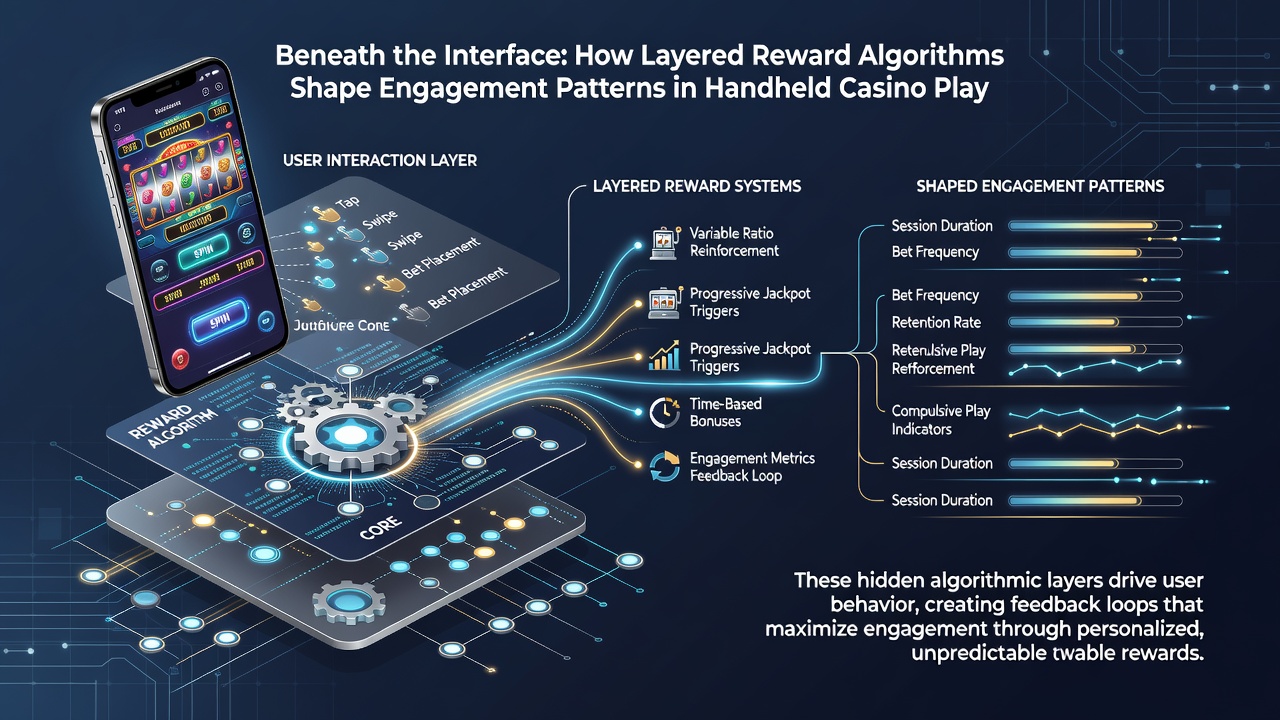
Cross-platform comparisons demonstrate that vertical screen orientations common to smartphones amplify the effect of layered visuals, because reward animations occupy prime screen real estate during portrait play. Developers therefore optimize animation timing to align with natural thumb movement patterns, and this alignment correlates with extended dwell times according to internal metrics shared in industry reports.
Regulatory Context and Platform Adaptations
Authorities in multiple jurisdictions have begun examining how layered rewards intersect with consumer protection standards, and October 2026 saw updated guidance from the Australian Communications and Media Authority on transparency requirements for in-game progression systems. Platforms responded by surfacing clearer disclosures about reward odds, while preserving the core algorithmic structure that drives continued interaction.
Research published through the Australian Gambling Research Centre examined session data across several thousand accounts and found that users exposed to four or more distinct reward layers exhibited different return frequencies than those limited to two layers. The differences appeared most pronounced among accounts with moderate daily play volumes rather than extreme outliers.
Future Trajectories in Algorithm Design
Current development pipelines focus on incorporating biometric signals from device sensors, such as grip pressure or tilt angle, to refine reward delivery timing. Early tests indicate that these additional inputs can shift engagement curves further, although widespread adoption remains limited by privacy frameworks. Platform providers continue to test hybrid models that blend deterministic reward schedules with stochastic elements drawn from player history.
Conclusion
Layered reward algorithms embedded in handheld casino platforms produce measurable shifts in engagement patterns through sequential activation of bonuses and progression markers. Platform data, academic examinations, and regulatory updates through October 2026 confirm that these systems operate via continuous feedback loops calibrated to user behavior. As mobile interfaces evolve and additional data streams become available, the underlying structures are expected to incorporate further variables while remaining subject to ongoing oversight from diverse international bodies.